
Understanding Neuromarketing: Where Brain Science Meets Business Strategy
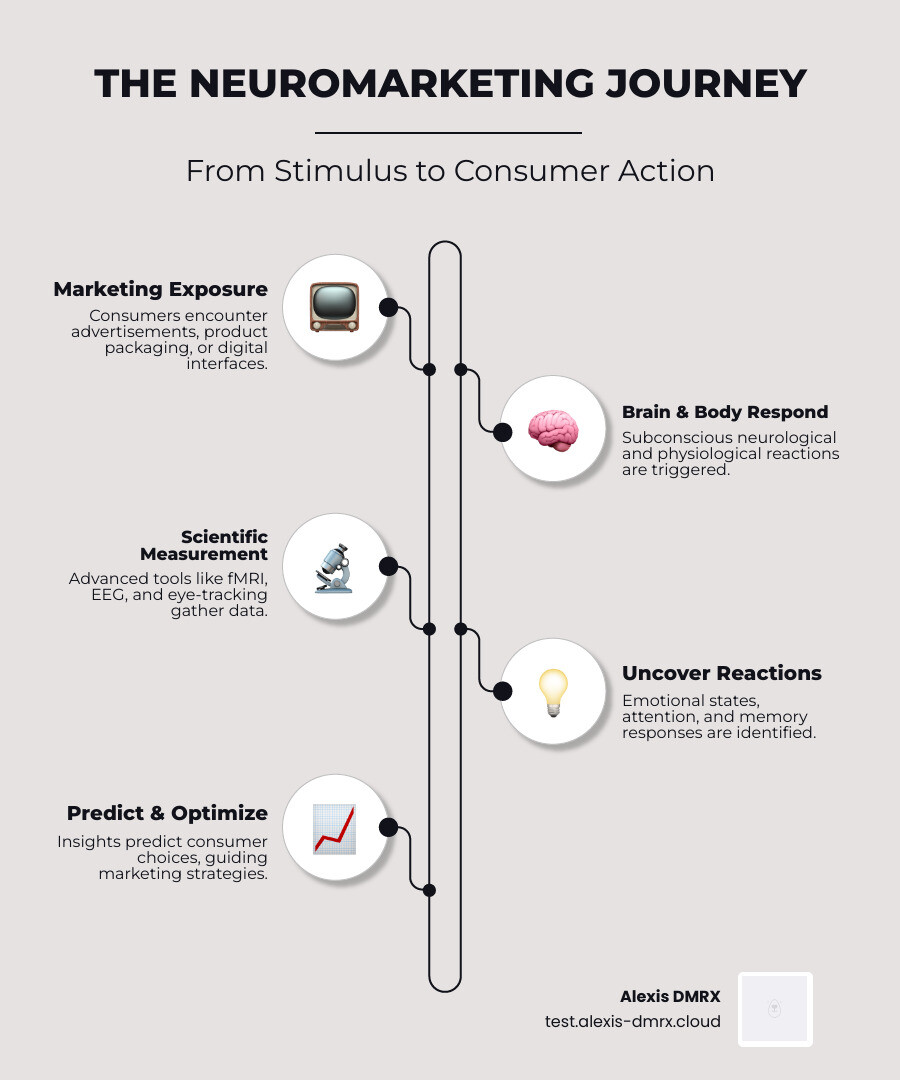
Neuromarketing is the application of neuroscience principles and techniques to marketing research and strategy. It studies how consumers’ brains respond to marketing stimuli—like ads, packaging, or website designs—by measuring brain activity, physiological responses, and subconscious decision-making processes.
Quick Answer: What is Neuromarketing?
- Definition: Combines neuroscience, psychology, and marketing to understand consumer behavior
- What it measures: Brain activity, eye movements, heart rate, facial expressions, and other unconscious responses
- Key insight: 95 percent of purchasing decisions happen unconsciously
- Main tools: fMRI, EEG, eye-tracking, facial coding, and biometric sensors
- Purpose: Predict and influence consumer choices by understanding subconscious drivers
- Applications: Ad testing, packaging design, website optimization, branding, and pricing strategies
What drives a person to choose one product over another? The usual answers—price, need, brand familiarity—only scratch the surface.
The truth is more fascinating: most consumer decisions happen below the level of conscious awareness. Research shows that up to 95 percent of decision-making is made unconsciously. Traditional marketing methods like surveys and focus groups ask people why they bought something, but people often don’t know—or can’t articulate—the real reasons.
This is where neuromarketing changes the game.
Instead of relying on what consumers say, neuromarketing measures what their brains and bodies actually do when exposed to marketing stimuli. It reveals the hidden emotional and cognitive responses that drive purchasing behavior—responses consumers themselves may not be aware of.
The field emerged in the early 2000s as brain imaging technology became more accessible. Since then, it has grown into a nearly $3.3 billion industry, with major companies using these insights to optimize everything from Super Bowl ads to cereal box designs.
For marketers, entrepreneurs, and business leaders, understanding neuromarketing means moving beyond guesswork. It means making data-driven decisions based on how the human brain actually responds to your brand, your messaging, and your products.
Opening up the Consumer Brain: What is Neuromarketing?
At its core, neuromarketing is an exciting interdisciplinary field that marries insights from neuroscience, psychology, and traditional marketing research to understand consumer behavior at a deeper, often subconscious, level. It’s a component of behavioral economics, dedicated to studying how consumers respond to various marketing stimuli. The data gathered is then applied to refine branded messaging and advertising strategies, leveraging the critical fact that a majority of consumer decisions are influenced by unconscious processes.
In simpler terms, we’re not just asking consumers what they like; we’re observing their brains and bodies for unfiltered reactions. This allows us to predict consumer behaviors more accurately, moving beyond what people think they feel or say they feel, to what they actually feel and respond to.
The market for neuromarketing is booming, reflecting its growing importance. In 2023, the neuromarketing market size was valued at nearly $3.3 billion, and neuromarketing jobs are on the rise. This growth underscores the increasing recognition among businesses that understanding the emotional and cognitive responses of consumers is key to effective marketing. It’s about open uping the secrets of the decision-making process, delving into the emotional and cognitive responses that truly drive purchasing behavior.
Want to dive deeper into how we apply these cutting-edge insights? You can find More info about our approach.
Neuromarketing vs. Traditional Research
So, how does this cutting-edge approach differ from the marketing research methods we’ve grown up with? Traditional marketing research, such as focus groups and surveys, relies heavily on conscious, self-reported data. We ask people questions, and they tell us their opinions, preferences, and reasons for buying. While valuable, these methods have inherent limitations.
Think about it: have you ever bought something and later struggled to articulate exactly why? Or perhaps you’ve given an answer in a survey that you thought the researchers wanted to hear, rather than your true, unfiltered opinion? This is a common challenge. As we’ve learned, 95 percent of decision-making happens unconsciously. This means that consumers often can’t fully explain their motivations, or their stated preferences might not align with their actual behavior. People may not always tell the truth in focus groups, or they say things they think others want to hear.
Neuromarketing, on the other hand, bypasses these conscious filters. It employs scientific tools to track objective and subconscious responses, offering benefits over traditional self-reported data. It measures initial, unfiltered reactions and physiological responses to marketing stimuli, providing a deeper understanding of emotional and cognitive processes that influence purchasing decisions. This idea is the basis of neuromarketing—using biology and brain activity to predict and even influence consumer behavior. It removes the human choice element in market research, exposing a person’s real and unfiltered responses, making it a more reliable alternative for certain insights.
The Link Between Consumer Neuroscience and Neuromarketing
The terms « consumer neuroscience » and « neuromarketing » are often used interchangeably, but there’s a subtle yet important distinction.
Consumer neuroscience is the broader, academic field. It investigates the neural basis of consumer behavior, exploring the fundamental brain mechanisms involved in decision-making, attention, emotion, and memory related to consumption. Researchers in this field publish their findings in peer-reviewed journals, contributing to our scientific understanding of the consumer mind. It’s the « pure science » aspect, delving into how and why our brains react to stimuli.
Neuromarketing, conversely, is the commercial application of those consumer neuroscience insights. It takes the scientific findies and methodologies from consumer neuroscience and applies them directly to optimize marketing efforts. Think of it as the « applied science » of understanding consumer behavior. While consumer neuroscience might study the general neural processes of value assessment, neuromarketing uses that knowledge to test which ad design creates the most positive value signal in the brain.
This relationship is crucial because it helps us understand consumer choices that are often driven by two systems of thought:
- System 1 Thinking: This is our intuitive, fast, emotional, and largely unconscious decision-making process. It’s the « gut feeling » that often guides our immediate reactions to marketing stimuli.
- System 2 Thinking: This is our deliberate, slow, rational, and conscious thought process. It’s what we use when we carefully weigh pros and cons.
Neuromarketing is particularly powerful because it can tap into System 1 responses, revealing insights that System 2 (and traditional self-reporting methods) might miss. By understanding these underlying brain mechanisms, we can better predict how initial responses will translate into final choices, even when those processes are unconscious and cannot be reflected in overt reports.
The Neuromarketer’s Toolkit: Techniques and Technologies
To peer into the consumer’s mind, neuromarketing employs a fascinating array of scientific tools and techniques. These tools allow us to measure objective, physiological, and neural responses that reveal attention, cognition, emotions, and memory in ways traditional methods simply cannot. It’s like having a backstage pass to the brain’s decision-making concert!
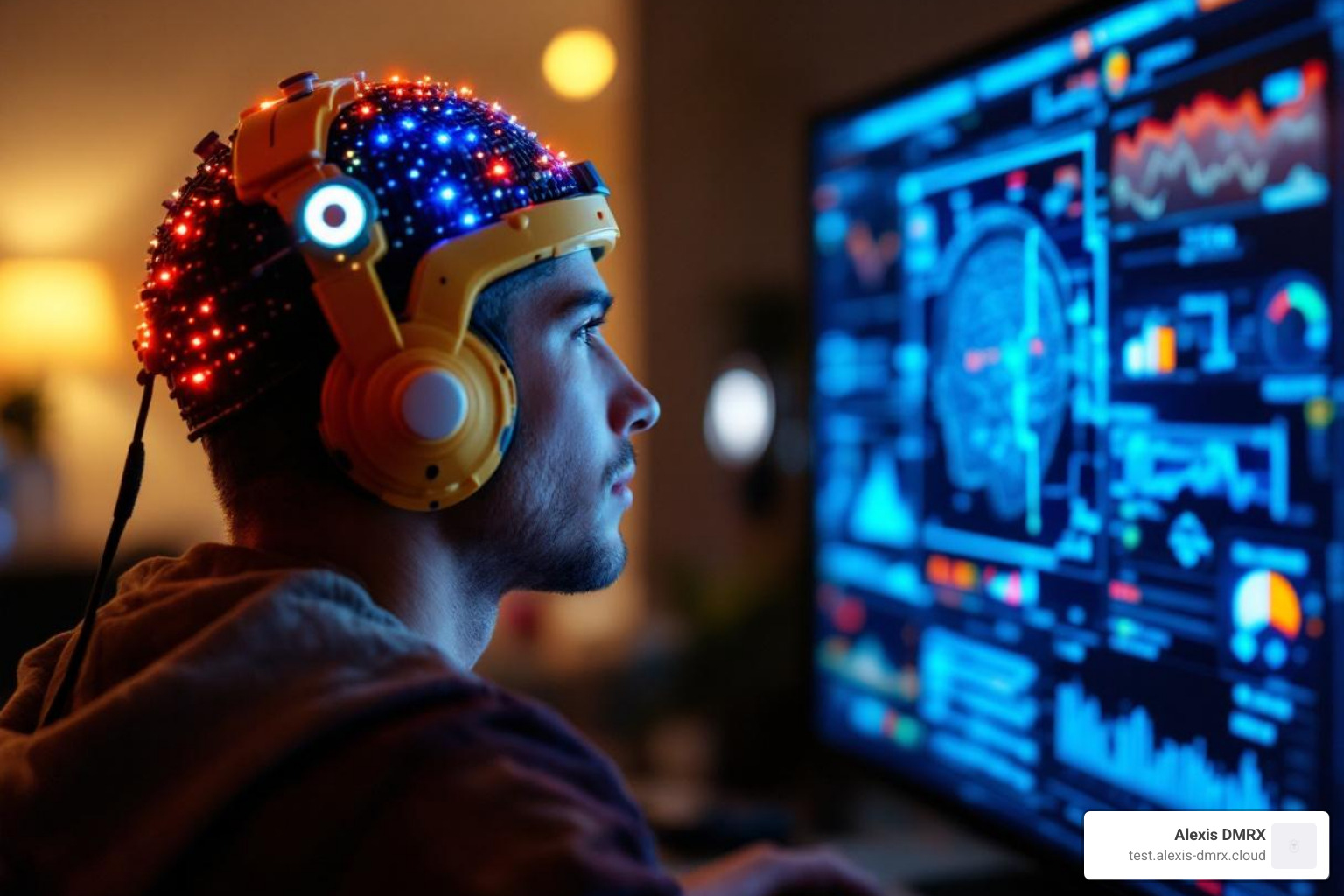
Our primary goal with these tools is to collect biometric data and observe physiological responses. This data is then carefully analyzed to uncover the subconscious drivers behind consumer choices, helping us understand how our target audience interacts with marketing stimuli before, during, and after exposure.
Brain Activity Measurement
When we talk about measuring brain activity, two techniques stand out:
- Functional Magnetic Resonance Imaging (fMRI): Imagine a powerful scanner that can detect changes in blood flow within the brain. That’s fMRI! When a specific part of your brain is more active, it requires more oxygen, leading to increased blood flow. fMRI picks up on these changes, allowing researchers to pinpoint which brain regions are activated when a consumer views an advertisement, interacts with a product, or makes a purchasing decision. For example, a famous study served Coca-Cola and Pepsi to subjects in an fMRI machine. When the drinks weren’t identified, researchers noted a consistent neural response. But when subjects could see the brand, the part of their brains associated with emotions, memories, and unconscious processing showed improved activity for the branded drinks. Another intriguing study involved scanning the brains of test subjects while they tasted three wines, each labeled with a different price. Their brains registered the wines differently, with neural signatures indicating a preference for the most expensive wine—even though all three wines were actually the same! This highlights how brand perception and price can literally change our brain’s experience.
- Electroencephalography (EEG): If fMRI measures blood flow, EEG measures the brain’s electrical activity. This non-invasive technique involves placing electrodes on the scalp to detect the electrical impulses produced by neurons. EEG is particularly excellent at capturing rapid changes in brain activity, offering high temporal resolution. This means we can see brain responses in milliseconds, which is crucial for understanding immediate, subconscious reactions to stimuli. EEG can measure metrics such as engagement levels, emotional valence (whether an emotion is positive or negative), and cognitive workload (how much mental effort is being exerted). It’s the most commonly used tool in consumer neuroscience research due to its precision and relatively lower cost compared to fMRI. An electroencephalogram (EEG) is a test that detects electrical activity in your brain using small, metal discs (electrodes) attached to your scalp, providing lines on an EEG recording that reflect brainwave patterns.
Both fMRI and EEG provide invaluable insights into how consumers process information, react emotionally, and engage cognitively with marketing messages.
Physiological and Behavioral Tracking
Beyond direct brain activity, neuromarketing also tracks various physiological and behavioral responses that offer clues into consumer psychology.
| Technique | What it Measures | |
|---|---|---|
| Eye-tracking | A neuro-physiologically derived tool that measures how and where consumers’ eyes move. It provides precise data on visual attention, focus, and engagement. | Optimizing website layout, ad placement, packaging design, and product visibility. Identifying areas of attention and confusion. |
| Facial Coding | Identifies universal micro-expressions of emotion (ee.g., joy, anger, surprise, fear) through analysis of facial muscle movements. While widely used, its scientific validity is debated. | Assessing emotional responses to ads, video content, product experience. Identifying moments of positive or negative emotional impact. |
| Biometrics | Measures physiological responses that indicate emotional and cognitive states. Includes: – Galvanic Skin Response (GSR): Measures changes in skin conductivity, indicating arousal or emotional intensity. – Pupil Dilation: Changes in pupil size, reflecting cognitive effort and emotional arousal. – Heart Rate: Changes in heart rate, indicating emotional engagement or stress. – Respiration: Breathing patterns, which can signal emotional states like excitement or calmness. |
Gauging emotional intensity and engagement with marketing stimuli. Understanding stress levels or relaxation during customer journeys. Assessing cognitive load when processing information. |
This blend of direct brain measurement and physiological tracking allows us to build a comprehensive picture of the consumer’s subconscious experience, providing insights that are simply inaccessible through traditional questionnaires or interviews.
Neuromarketing in Action: From Packaging to Pixels
Now that we understand the tools, let’s explore how neuromarketing insights translate into tangible business results. This is where the rubber meets the road, where scientific understanding leads to optimized campaigns, stronger brand strategies, and a measurable return on investment (ROI). From the subtle cues on a product’s packaging to the intricate design of a website, neuromarketing helps businesses make data-driven decisions that resonate deeply with consumers.

Optimizing Advertising and Branding
Neuromarketing has revolutionized how we approach advertising and branding, moving beyond guesswork to craft messages that truly connect.
- Ad Testing and Storytelling: By using tools like EEG and eye-tracking, we can test different versions of ads to see which elements grab attention, evoke positive emotions, and are most memorable. This helps refine messaging and content for clarity and effectiveness. A recent study found that storytelling strategies in marketing are shifting to audio-forward media such as voice-over videos, podcasts, or audiobooks to catch and maintain a person’s interest more than regulated videos or movies. This insight allows us to craft narratives that evoke strong emotional connections, strengthening brand loyalty and consumer trust. The National Cancer Institute, for example, used fMRI scans to test three anti-smoking commercials. They found that the ad to which test subjects reacted most favorably corresponded with an increase in hotline calls, demonstrating the power of neural insights to predict real-world behavior.
- Logo Design and Color Psychology: Logos are often the first impression of a brand, and neuromarketing helps ensure they make the right one. Research shows that people react favorably to movement and speed. This knowledge guided FedEx to include a hidden arrow in its logo that represents quickness, which garners favorable reactions — and subconscious brand trust — among consumers. Similarly, color psychology plays a huge role. Through research on brain activity, businesses know that red signifies strength and energy. It’s easy to see why red is the favored logo color of so many iconic brands, including Coca-Cola, Target, McDonald’s, and Netflix. These choices aren’t arbitrary; they are rooted in how our brains process and respond to visual cues, enhancing brand recall and recognition.
Enhancing Product Packaging and Store Layout
The physical experience of shopping, whether in a store or online, is another fertile ground for neuromarketing applications.
- Packaging Design: A product’s packaging is its silent salesperson. Neuromarketing helps optimize its « shelf appeal » by understanding what catches the eye and evokes a desire to purchase. For instance, Frito-Lay learned through neuromarketing techniques that matte bags with pictures of potatoes did not trigger a negative consumer response, whereas shiny bags with pictures did. Based on those insights, they changed their chip packaging design, impacting millions of purchases. By studying consumer responses to shapes, colors, and materials, we can design packaging that stands out and communicates brand values effectively.
- In-Store Experience and Store Layout: Ever wonder why you steer a store in a particular way? Chances are, it’s by design, informed by neuromarketing. IKEA, for example, has designed their stores in a way that showcases everything they sell before a consumer can actually leave the store, thus increasing the likelihood of a purchase. This layout was developed using neuromarketing research to guide the customer journey, ensuring maximum exposure to products and creating a sense of exploration that encourages buying.
- Website & App Design (User Experience – UX): In the digital field, neuromarketing is crucial for optimizing user experience. Eye-tracking can reveal where users look, what they miss, and where they get stuck on a website or app. EEG can gauge their cognitive load and emotional response to different interfaces. This allows us to refine layouts, calls to action, and interactive elements to create intuitive and satisfying digital experiences that convert browsers into buyers.
These real-world examples illustrate how neuromarketing moves beyond theoretical concepts to deliver actionable insights that drive business success across various touchpoints.
The Double-Edged Sword: Benefits and Ethical Boundaries
Like any powerful tool, neuromarketing comes with both incredible advantages and significant responsibilities. While it offers unprecedented insights into the consumer mind, it also raises important ethical questions about privacy and manipulation. It’s a delicate balance, much like a scale balancing « Profit » on one side and « Ethics » on the other.
Key Benefits for Businesses
For businesses willing to accept this advanced approach, the benefits of employing neuromarketing strategies are substantial:
- Improved Predictions: By tapping into unconscious responses, neuromarketing provides a more accurate predictor of consumer behavior than traditional self-reported data. We can understand what truly drives purchase intent, not just what consumers think drives it.
- Reduced Campaign Failure: Imagine being able to « pre-test » an advertisement or a product design and know, with a higher degree of certainty, how it will resonate with your audience before spending millions on a full launch. This drastically reduces the risk of costly marketing failures.
- Increased Customer Engagement: Understanding the neural mechanisms of attention, emotion, and memory allows us to craft marketing messages that are inherently more engaging and memorable. This leads to stronger emotional connections between consumers and brands.
- Deeper Customer Understanding: Neuromarketing offers an unparalleled window into the « why » behind consumer choices. It helps us understand the emotional underpinnings of brand loyalty, the cognitive processes of decision-making, and the subconscious biases that influence preferences.
- Competitive Advantage: Businesses that leverage neuromarketing gain a significant edge by being able to optimize their strategies based on scientific evidence of consumer response, rather than relying on intuition or outdated methods.
These benefits translate into more efficient and effective marketing campaigns, better product development, and ultimately, increased sales and revenue.
Ethical Considerations in Neuromarketing
However, with great power comes great responsibility. The ability to understand and potentially influence consumers at a subconscious level naturally sparks ethical debates.
- Privacy Invasion: One of the primary concerns revolves around privacy. The use of advanced technologies to monitor brain activity and physiological responses can feel invasive. While current neuromarketing research typically collects aggregated, anonymized data, the potential for individual-level data collection and its misuse is a genuine concern. We must ensure robust data security and anonymization protocols are in place.
- Manipulation and the « Buy Button » Myth: Critics often worry about marketers finding a « buy button » in the brain—a single neural switch that, once flipped, compels a purchase. While this is a gross oversimplification and largely a myth, the idea that neuromarketing could manipulate consumers against their will is a valid ethical concern. The field aims to understand consumer preferences, not to coerce them. However, the line can sometimes feel blurry. For example, in 2015, one of the main political parties in Mexico used neuromarketing to learn more about voters’ interests and reactions to campaign ads. When the information leaked, there was a backlash from Mexican citizens, highlighting the public perception of manipulation and the importance of transparency.
- Informed Consent and Transparency: Given the subconscious nature of the insights, it’s crucial that participants in neuromarketing studies provide explicit, informed consent. They must understand what data is being collected, how it will be used, and their right to withdraw. Transparency about the application of neuromarketing techniques in broader campaigns is also vital to maintain consumer trust. Industry associations are actively working to establish ethical guidelines for neuromarketing researchers, emphasizing principles like honesty, confidentiality, and participant autonomy.
At Alexis DMRX, we believe in using neuromarketing responsibly. Our objective is always to improve products and campaigns to better serve consumer needs, fostering genuine connections, not to manipulate or deceive.
The Future of Influence: Trends and Advancements
The field of neuromarketing is far from static; it’s a rapidly evolving landscape, constantly integrating new technological advancements and refining its methodologies. The future promises even more precise, scalable, and personalized insights into consumer behavior.
- AI and Machine Learning (ML): Artificial intelligence and machine learning are rapidly becoming indispensable for neuromarketing. These technologies can process vast amounts of neurophysiological and behavioral data, identify complex patterns that human analysts might miss, and make predictive analytics more robust. AI can forecast consumer reactions, deliver real-time insights, and automate complex analyses, significantly enhancing the efficiency and scalability of neuromarketing research.
- Virtual Reality (VR) and Augmented Reality (AR): Imagine conducting neuromarketing studies in fully immersive, yet controlled, environments. VR and AR offer precisely that. We can simulate shopping experiences, product interactions, or advertising scenarios, allowing researchers to measure subconscious responses in highly realistic contexts without the costs and logistical challenges of real-world setups. This enables us to test concepts with unprecedented accuracy and ecological validity.
- Real-time Personalization: As wearable technology becomes more sophisticated and ubiquitous, the potential for real-time neuromarketing insights grows. While ethically complex, the ability to gauge consumer engagement or emotional response in real-time could lead to highly personalized marketing experiences, adapting content and offers dynamically to an individual’s subconscious state. This moves beyond demographic segmentation to truly individual-level understanding.
- Wearable Tech and Non-Invasive Sensors: The trend is towards smaller, more comfortable, and less intrusive sensors. Wearable EEG devices, advanced eye-tracking glasses, and discreet biometric sensors will make data collection easier, allowing for more naturalistic studies in real-world settings (e.g., while shopping or browsing at home).
- Evolution of Neuro-ethics: As neuromarketing capabilities expand, so too will the discourse around its ethical implications. We anticipate a continued focus on developing robust ethical frameworks, industry standards, and regulatory guidelines to ensure responsible innovation and protect consumer rights. Transparency, privacy-by-design, and consumer empowerment will remain central to this evolving conversation.
These trends point towards a future where neuromarketing provides deeper, more actionable insights, allowing businesses to connect with consumers in more meaningful and effective ways, while continuously navigating the crucial ethical landscape.
Conclusion: Decoding the Future of Marketing
We’ve journeyed deep into neuromarketing, exploring its scientific foundations, its powerful toolkit, and its transformative applications across advertising, packaging, and digital experiences. We’ve seen how this fascinating field moves beyond traditional market research, offering unparalleled access to the subconscious insights that truly drive consumer behavior.
The key takeaway is clear: understanding why consumers choose what they choose goes far beyond conscious reasoning. By embracing the principles and technologies of neuromarketing, businesses can develop data-driven strategies that resonate on a deeper, emotional, and cognitive level. This leads to more effective campaigns, stronger brands, and ultimately, greater market gains.
However, with this powerful understanding comes a significant ethical responsibility. At Alexis DMRX, we are committed to leveraging these insights responsibly, ensuring transparency, protecting consumer privacy, and always aiming to serve genuine consumer needs rather than manipulate them.
The future of marketing is not just about reaching consumers; it’s about truly understanding them. By decoding the intricate workings of the human brain, we open up the power of understanding « why, » paving the way for a more intuitive, effective, and ethically sound approach to connecting with your audience.
Ready to open up the secrets of your consumers’ minds and apply these cutting-edge insights to your business? Contact us to learn more about how Alexis DMRX can help you harness the power of neuromarketing. Or, Discover how to apply these insights directly through our custom solutions.