
Why Marketing Matters More Than Ever
Marketing is the strategic process of attracting, engaging, and converting customers by creating, communicating, and delivering value. It’s how businesses grow, build relationships, and stand out in competitive markets.
Quick Definition:
- What it is: All activities that promote and sell products or services
- Core purpose: Attract customers, build brand loyalty, drive sales
- Key components: Understanding your audience, crafting your message, choosing channels, measuring results
- Why it matters: Companies with marketing strategies are 30% more likely to achieve their goals
If you asked a marketer early in their career what marketing is, they’d probably say « promoting products. » Today, that answer barely scratches the surface.
Marketing has evolved from simple promotion into a complex, data-driven discipline that touches every part of a business. It’s not just about ads or social media posts—it’s about understanding human behavior, solving customer problems, and creating experiences that turn strangers into loyal advocates.
The definition from the American Marketing Association says it best: Marketing is « the activity, set of institutions, and processes for creating, communicating, delivering, and exchanging offerings that have value for customers, clients, partners, and society at large. »
That’s a mouthful. But it captures something important: marketing isn’t just about selling. It’s about creating genuine value and building relationships that last.
Modern marketing sits at the intersection of creativity and science. You need compelling stories and hard data. You need to understand psychology and analytics. You need to know your customer’s deepest pain points and which channels they prefer.
The marketing industry is projected to reach $757.4 billion by 2026. Companies are investing heavily because they know one thing: without effective Marketing, even the best products remain invisible.
Whether you’re launching a startup, growing an established business, or trying to understand why customers make the choices they do, mastering Marketing fundamentals is essential. This guide breaks down everything you need to know—from core strategy to execution—in clear, actionable terms.
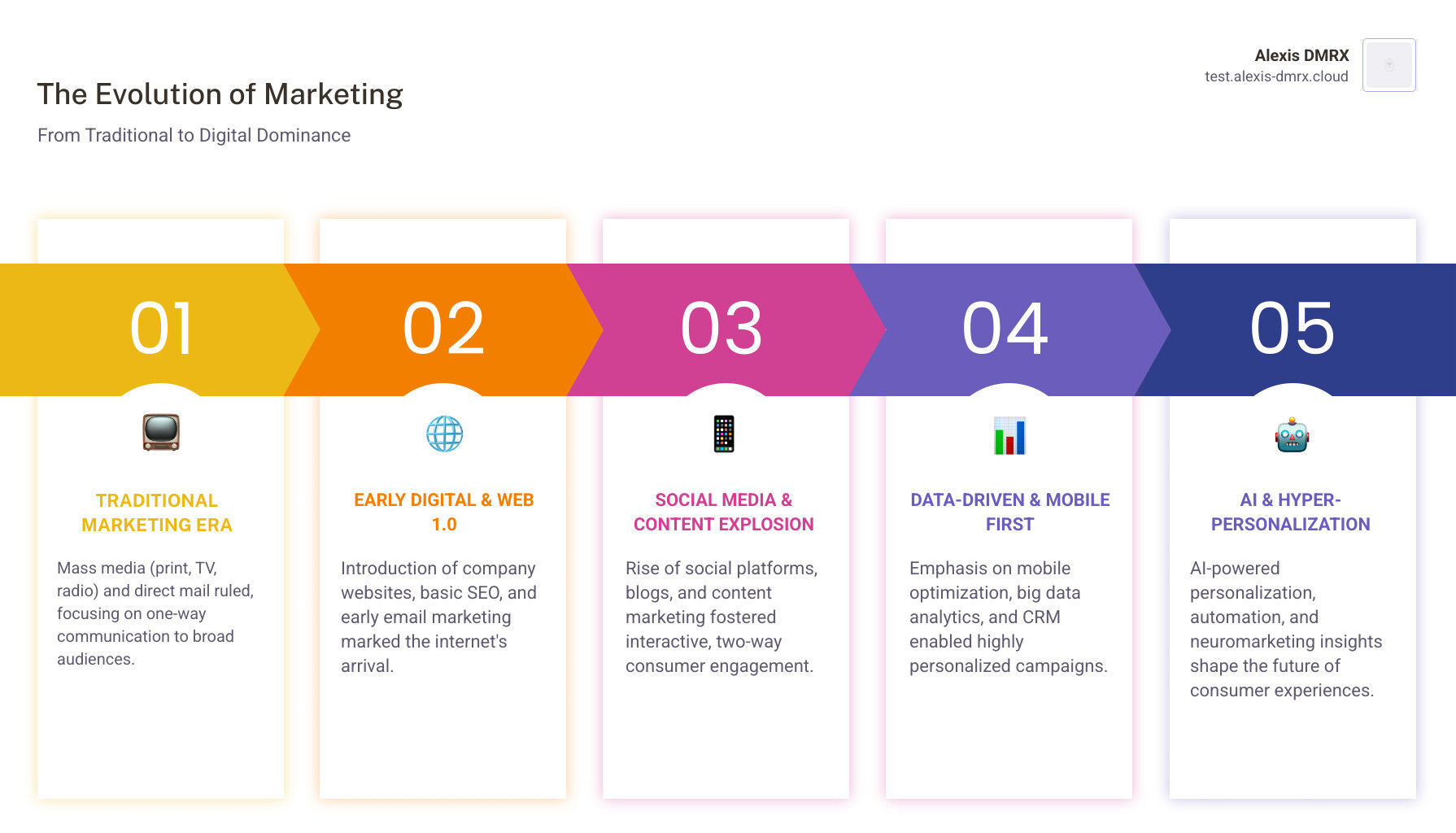
Quick look at Marketing:
The Strategic Foundation: Strategy vs. Plan

At the heart of successful Marketing lies a well-defined strategy. Think of it like a grand chess match: you need a long-term vision for victory before you start moving individual pieces.
What is a Marketing Strategy?
So, what exactly is a Marketing strategy? In simple terms, it’s a company’s overarching game plan to reach prospective customers and persuade them to buy its products or services. It’s the « what » and « why » behind all your Marketing efforts.
A robust Marketing strategy isn’t just a list of tactics; it’s a foundational document that embodies the company’s value proposition, its key brand messaging, and crucial data about its target customer demographics. Its core components typically include:
- Clear Goals: What do we want to achieve? (e.g., increase brand awareness, generate leads, boost sales).
- Value Proposition: What unique benefit do we offer that our competitors don’t? This is how we differentiate ourselves.
- Target Audience Identification: Who are we trying to reach? What are their needs, behaviors, and preferences?
- Competitive Advantage: How are we better or different from others in the market?
- Core Messaging: What consistent message do we want to communicate to our audience?
- Budget Allocation Principles: How will we invest our resources to achieve our goals?
The ultimate goal of any Marketing strategy is to achieve and communicate a sustainable competitive advantage. It’s about setting a long-term direction, ensuring all our activities are aligned towards a common objective, and taking the guesswork out of our efforts.
Marketing Strategy vs. Marketing Plan
This is a common point of confusion, but the distinction is vital. Imagine you’re planning a road trip:
-
The Marketing Strategy is our decision to drive from New York to Los Angeles, because we want to see the Pacific Ocean (our « why ») and experience the diverse landscape (our « what »). It’s the big picture, the destination, and the overall purpose of the journey. These strategies typically have a longer lifespan, guiding our direction over many years.
-
The Marketing Plan is the detailed itinerary for that trip. It outlines the specific routes we’ll take, the hotels we’ll stay in each night, the attractions we’ll visit, and the budget for gas and food. It’s the « how » and « when » we’ll execute our trip. A Marketing plan delineates the logistical details of specific campaigns, outlining activities, how they will be conducted, their goals, and timetables, often on a monthly, quarterly, or annual basis.
The strategy is the blueprint, and the plan consists of the action steps. The strategy defines the long-term vision and overarching goals, while the plan details the tactical activities, timelines, and resource allocation for specific campaigns. Both are indispensable, but the strategy must come first, providing the framework for all subsequent plans.
Crafting Your Winning Strategy: A Step-by-Step Guide
Developing an effective Marketing strategy is a methodical process. It’s about understanding who you are, who your customers are, and how you can best connect with them.
Understanding Your Customer: The Heart of Your Marketing
You can have the most innovative product or service, but if you don’t know who you’re selling it to, your Marketing efforts will fall flat. Defining our target audience and creating a compelling customer profile is paramount. This isn’t just about guessing; it’s about deep understanding.
We need to dive into:
- Demographics: Age, gender, income, education, occupation, location.
- Psychographics: Values, attitudes, interests, lifestyles, personality traits. What motivates them? What are their aspirations?
- Pain Points & Needs: What problems do our customers face that our product or service can solve? What are their unmet desires?
- Behaviors: How do they make purchasing decisions? What media do they consume? Where do they spend their time online and offline?
Creating a detailed customer persona, a semi-fictional representation of our ideal customer, brings this data to life. It helps us tailor our messages and offers to their specific needs and preferences, leading to more effective campaigns. After all, « the role of customers in Marketing » is central to success. The Role of Customers in Marketing

The Role of Market Research and Environment Analysis
Before we can strategize, we need information. Lots of it. This is where market research comes in. It provides essential insights into customer behavior, market trends, and competitor activities, informing our strategic Marketing decisions.
It’s important to distinguish between market research and marketing research. Market research specifically focuses on a target market, understanding its size, trends, and customer segments. Marketing research, on the other hand, is a broader term encompassing all research activities that support our overall Marketing efforts, from product development to campaign effectiveness.
Our research helps us understand the Marketing environment, which significantly influences our strategy decisions. We typically break this down into three layers:
- Macro-environment: These are the larger societal forces that affect our entire industry. Think PESTLE: Political, Economic, Sociocultural, Technological, Legal, and Environmental factors. A change in economic conditions, for example, can drastically alter consumer purchasing power.
- Micro-environment: These are forces close to our company that directly affect our ability to serve customers. This includes our customers themselves, employees, suppliers, and the media.
- Internal environment: These are factors within our own organization, such as labor, inventory, policy, logistics, budget, and capital assets. Our internal capabilities and constraints will shape what kind of Marketing strategy we can realistically pursue.
By analyzing these environments, we can identify opportunities, anticipate threats, and ensure our strategy is grounded in reality.
Setting a Realistic Marketing Budget
Effective Marketing isn’t free, but it should be an investment, not just an expense. Defining our budget for Marketing initiatives is a critical step, determining how our message will be dispersed.
For small businesses, the average Marketing budget is often around 7% of their revenue. However, this can vary widely based on industry, growth goals, and company stage. The key isn’t just the amount, but how wisely we allocate it.
Our budget decisions should always be tied to our expected Return on Investment (ROI). We need to ask: « How can we make the most of every Marketing dollar? » This involves prioritizing channels and tactics that offer the best potential for reaching our goals.
Here are some common categories for Marketing budget allocation:
- Digital Advertising: Pay-per-click (PPC) ads, social media ads, display ads.
- Content Creation: Blog posts, videos, infographics, ebooks, website copy.
- Social Media Management: Tools, personnel, paid promotions.
- Email Marketing: Platform fees, list building, content creation.
- Search Engine Optimization (SEO): Tools, specialist fees, content optimization.
- Website Development & Maintenance: Hosting, design updates, e-commerce features.
- Traditional Advertising: Print ads, radio, TV, billboards (if applicable to our audience).
- Public Relations (PR): Media outreach, press releases.
- Event Marketing: Sponsorships, booth fees, promotional materials.
- Market Research: Surveys, focus groups, data analysis tools.
- Tools & Software: CRM, analytics platforms, design software.
The goal is not to spend the most, but to spend effectively and strategically, ensuring each dollar contributes to our overall Marketing objectives.
The Marketing Mix: Classic Frameworks for Modern Success
To effectively bring a product or service to market, marketers have traditionally relied on frameworks that help organize their efforts. The most famous of these is the « Marketing Mix, » often referred to as the 4 Ps.
The 4 Ps of Marketing: Product, Price, Place, Promotion
The 4 Ps of Marketing – Product, Price, Place, and Promotion – were popularized by E. Jerome McCarthy in the 1960s and form the essential mix a company needs to market a good or service. They guide how we think about our offering and how we present it to the world.
-
Product: This refers to what we are selling. It’s not just the physical item but also the services, features, benefits, branding, quality, design, packaging, and after-sales support. We need to understand what our customers want and need, and ensure our product delivers that value. Market research is crucial here to identify consumer priorities and how to differentiate our offering from competitors.
-
Price: This is the amount customers pay for our product or service. Pricing strategies involve considering unit costs, competitor prices, perceived value, discounts, payment terms, and psychological pricing. A smart pricing decision balances our need for profitability with the customer’s willingness to pay. As one expert shared, re-pricing a master’s degree based on market feedback and competitor benchmarking led to a 25% increase in enrollment!
-
Place (or Distribution): This refers to how and where our product is made available to customers. It includes distribution channels, logistics, inventory management, and store locations (physical or online). We must choose channels that align with our target audience’s purchasing habits and preferences. Do they prefer to buy online, in a physical store, or through a specific retailer?
-
Promotion: This encompasses all the activities we undertake to communicate about our product and persuade target customers to buy it. It includes advertising, personal selling, sales promotions, public relations, direct Marketing, and digital Marketing channels. The aim is to create awareness, generate interest, stimulate desire, and encourage action.
These 4 Ps are dynamic and interdependent. A change in one often necessitates adjustments in the others. For example, if we introduce a premium « Product, » our « Price » and « Promotion » might need to reflect that higher value.
The Product Life Cycle (PLC) also profoundly impacts how we apply the 4 Ps. The PLC assumes a product will go through four stages:
- Introduction: Focus on building awareness and trial (Promotion, Place).
- Growth: Expand distribution and refine product features (Place, Product).
- Maturity: Maintain market share, differentiate, competitive pricing (Price, Product, Promotion).
- Decline: Minimize costs, potentially discontinue (Price, Product).
Understanding where our product stands in its life cycle helps us adapt our Marketing mix accordingly.
Beyond the 4 Ps: The Rise of the 4 Cs
While the 4 Ps have been foundational, they’ve also faced criticism for being too product-focused and representing an « inside-out » view of Marketing (what the company offers, rather than what the customer wants). Critics argue that the categories can be overlapping and lack a true strategic framework.
In response to these criticisms and the shift towards more customer-centric Marketing, Robert F. Lauterborn proposed the 4 Cs in 1990, offering an « outside-in » perspective:
- Consumer (or Client): Instead of « Product, » we focus on the customer’s needs and wants. What problem are we solving for them? What value do they seek? This emphasizes understanding the customer deeply, which we discussed earlier.
- Cost: This replaces « Price. » It’s not just the monetary cost of the product but also the total cost to the customer, including time, effort, and psychological costs associated with acquiring and using the product.
- Convenience: This takes the place of « Place. » How easy is it for the customer to find, purchase, and use our product or service? This considers the entire customer journey and ease of access.
- Communication: This broadens « Promotion. » It emphasizes a two-way dialogue with customers, fostering engagement and building relationships, rather than just broadcasting messages. It’s about integrated Marketing communications that are meaningful and relevant.
The shift from 4 Ps to 4 Cs reflects a deeper understanding that modern Marketing isn’t just about pushing products, but about creating genuine value and relationships from the customer’s perspective. It highlights a critical customer-centric shift in our approach. Marketing Strategy: Forget the 4 P’S! What are the 4 C’S?
Executing and Measuring Your Marketing Efforts
A brilliant strategy is only as good as its execution and the ability to measure its impact. This is where we put our plans into action and see what’s truly working.
Choosing the Right Marketing Channels
With so many ways to reach an audience today, selecting the most appropriate Marketing channels can feel like navigating a maze. The right choice depends heavily on our target audience, budget, and the nature of our product.
Here are some popular Marketing channels for today’s landscape:
- Search Engine Optimization (SEO): Optimizing our website and content to rank higher in search engine results organically. This is crucial as online search is the number one way buyers find new products today. 29% of marketers consider SEO a leading trend, and 54% use AI tools for SEO tasks.
- Content Marketing: Creating valuable content (blogs, videos, infographics, ebooks) to attract and engage our audience, establish authority, and build trust. Content marketing generates 3 times as many leads as outbound Marketing, and 90% of organizations use it.
- Social Media Marketing: Engaging with audiences on platforms like Facebook, Instagram, LinkedIn, and TikTok. This improves brand awareness and builds customer loyalty. 71% of marketers use social media, and 46% of Gen X consumers find new products through it.
- Search Engine Marketing (SEM): Paid advertising on search engines (like Google Ads’ pay-per-click, or PPC) to increase website traffic and visibility. SEM spending is expected to reach $306.7 billion in 2024, and businesses often get $2 back for every $1 spent on Google Ads.
- Email Marketing: Nurturing leads and building customer relationships through personalized email campaigns. This boasts one of the highest ROIs, yielding returns of up to $36 for every dollar spent.
- Video Marketing: Using video content (product demos, how-to guides, testimonials) to engage audiences and drive conversions. 87% of marketers report a positive ROI from video marketing.
- Influencer Marketing: Partnering with influential figures to tap into established audiences and improve credibility. 85.8% of marketers plan to allocate a budget here in 2024.
- Experiential Marketing: Creating immersive, memorable experiences (pop-up shops, interactive brand activations) to foster emotional connections. 29% of marketers use this, with 51% finding it highly effective.
- Word-of-Mouth Marketing: Leveraging satisfied customers for personal recommendations. 88% of consumers trust recommendations from friends and family more than any other advertising.
- Traditional Marketing (Print, Broadcast, Events): While digital dominates, traditional channels still have a place, especially for broad reach or specific demographics. For example, 38% of consumers find new products through TV ads.
The selection process involves understanding where our target audience spends their time, what media they consume, and which channels best align with our product’s value proposition and our budget. It’s about creating a cohesive, multi-channel approach.
Data, Analytics, and Measuring Success
In modern Marketing, data is our superpower. It takes the guesswork out of our efforts, allowing us to understand what is working best in our Marketing strategy and continuously improve.
We integrate data and analytics into our strategy to improve effectiveness by:
- Personalization: Tailoring messages and offers based on individual customer data. Personalized Marketing campaigns are 6x more likely to drive transactions, and 80% of consumers prefer personalized experiences.
- Budget Optimization: Identifying the most cost-effective channels and campaigns, allowing us to get more value from our Marketing budgets.
- Performance Tracking: Monitoring key metrics (KPIs) to see if we’re hitting our goals.
- Better Decision-Making: Using insights from data to adapt our strategies and tactics in real-time.
Key metrics for tracking success include:
- Return on Investment (ROI): The financial return generated from our Marketing spend.
- Customer Acquisition Cost (CAC): How much it costs us to acquire a new customer.
- Conversion Rate: The percentage of prospects who complete a desired action (e.g., make a purchase, sign up for a newsletter).
- Website Traffic: Number of visitors, page views, bounce rate.
- Engagement Metrics: Likes, shares, comments on social media; email open rates, click-through rates.
- Customer Lifetime Value (CLV): The total revenue a customer is expected to generate over their relationship with our company.
It’s clear that measurement is crucial: 80% of marketers report that data and analytics have improved their Marketing performance. By continuously analyzing our results, we can refine our strategies, optimize our spending, and achieve better outcomes. For a deeper dive into understanding consumer behavior, you might explore More info about neuromarketing.
B2B vs. B2C: Tailoring Your Approach to Marketing
While the fundamental principles of Marketing remain, the execution differs significantly when selling to businesses (B2B – Business-to-Business) versus consumers (B2C – Business-to-Consumer). Understanding these differences is key to tailoring our strategies effectively.
| Feature | B2B Marketing | B2C Marketing |
|---|---|---|
| Audience | Organizations, decision-makers, multiple stakeholders | Individual consumers |
| Motivation | Logic, efficiency, ROI, solving business problems | Emotion, desire, status, entertainment, personal benefit |
| Sales Cycle | Longer, more complex, often involves multiple touchpoints and approvals | Shorter, more impulsive, often single decision-maker |
| Relationship | Long-term, trust-based partnerships, value-driven | Transactional, brand loyalty built on experience and emotion |
| Decision Process | Rational, collaborative, research-intensive, procurement processes | Emotional, individual, often influenced by advertising and peer reviews |
| Purchasing Volume | Larger, recurring orders | Smaller, frequent purchases |
| Promotional Methods | Content Marketing (whitepapers, webinars), personal selling, industry events, LinkedIn, account-based Marketing | Advertising (TV, social media), mass media, emotional appeals, influencer Marketing |
| Brand Emphasis | Reliability, expertise, thought leadership | Aspiration, lifestyle, user experience |
For instance, a B2B company selling specialized manufacturing equipment might focus on detailed product specifications, case studies demonstrating ROI, and direct sales representatives. In contrast, a B2C company selling fashion apparel would emphasize lifestyle imagery, social media trends, and influencer collaborations.
As Ally Moisse from Pearl Lemon Group illustrates, a multi-channel campaign involving emails, cold calling, cold email outreach, and marketing activity on X (formerly Twitter) can be effective for B2B, focusing on industry conversations and insights to connect organically with leads. However, for B2C, a new product launch might involve publishing a downloadable guide on a website, posting a demonstration video on Instagram, and investing in sponsored search results on Google.
The core takeaway is that while both aim to create value, the « how » we define, communicate, and deliver that value must be adapted to the specific needs and behaviors of our target customer, be it a business or an individual.
Ethical Marketing: Building Trust and Responsibility
In our pursuit of Marketing success, it’s crucial to remember our responsibility to consumers and society. Ethical Marketing isn’t just a moral obligation; it builds trust, improves brand reputation, and fosters long-term customer relationships.
Ethical considerations in developing and executing a Marketing strategy involve:
- Transparency: Being honest and clear about our products, services, and intentions. This means avoiding misleading claims or hidden costs.
- Data Privacy: Respecting customer data and using it responsibly. As we increasingly rely on data and analytics, ensuring privacy and security is paramount.
- Avoiding Manipulation: While Marketing aims to persuade, it should never resort to manipulative tactics that exploit vulnerabilities or deceive consumers.
- Social Responsibility: Considering the broader impact of our Marketing activities on society and the environment. This includes promoting sustainable practices and avoiding harmful stereotypes.
The dark side of Marketing ethics can be seen in practices like « stealth Marketing, » where consumers are unaware they are being marketed to. A prime example is how « For Tobacco, Stealth Marketing Is the Norm » For Tobacco, Stealth Marketing Is the Norm has historically circumvented advertising bans by using subtle, indirect promotional methods. Such practices erode trust and can lead to significant backlash.
Ethical Marketing is about balancing our business objectives with our societal duties. As Rosario Maccarrone, director and head of student services at OPIT, highlights, « Focusing solely on short-term sales shouldn’t come at the expense of long-term customer relationships. » Building a reputation for integrity is a long-term Marketing asset that pays dividends far beyond any quick win.
Frequently Asked Questions about Marketing Basics
We’ve covered a lot of ground, but some questions pop up more often than others. Let’s tackle a few common ones to solidify our understanding.
What is the difference between marketing and advertising?
This is a classic! If Marketing is a wheel, advertising is just one spoke. Marketing is the comprehensive process of getting people interested in our company’s product or service. This involves everything from market research and product development to distribution, sales strategy, public relations, and customer support.
Advertising, on the other hand, is a strategic, usually paid, effort to spread awareness of a product or service. It’s a specific component within the broader Marketing goals. Advertising is often good for short-term visibility and immediate impact, while Marketing encompasses the entire long-term strategy for success.
What is a unique selling proposition (USP)?
A unique selling proposition (USP) is what differentiates our product or service from its competitors in the eyes of the consumer. It’s the one thing that makes us stand out and gives customers a compelling reason to choose us over anyone else.
Our USP should communicate a clear benefit that is unique, desirable to our target audience, and difficult for competitors to replicate. For example, a discount retailer might use « everyday low prices » as its USP, rooting all its operations and Marketing efforts in that idea. A strong USP helps us craft clear messaging, focus our Marketing efforts, and ultimately build a competitive edge.
How can data improve marketing effectiveness?
Data and analytics are game-changers in modern Marketing. They provide the insights we need to move beyond guesswork and make informed decisions, significantly improving our effectiveness.
Here’s how data helps:
- Personalization: By understanding individual customer preferences and behaviors, we can deliver highly personalized content and offers. As we noted, personalized campaigns are 6x more likely to drive transactions.
- Budget Optimization: Data helps us identify which channels and campaigns yield the best ROI, allowing us to allocate our budget more efficiently and reduce wasted spend.
- Performance Tracking: With clear metrics, we can precisely track the success of our campaigns, understand what’s working (and what isn’t), and make timely adjustments.
- Better Decision-Making: Data-driven insights inform every aspect of our strategy, from product development to messaging, ensuring our efforts are aligned with customer needs and market realities.
The impact is undeniable: 80% of marketers say that data and analytics have improved their Marketing performance. Leveraging data, even delving into areas like Unlocking Neuromarketing’s Secrets to understand deeper consumer responses, empowers us to create more impactful and successful Marketing campaigns.
Your Next Step in Mastering Marketing
We’ve journeyed through the essentials of Marketing, from understanding its core definition and strategic foundation to the intricacies of crafting plans, analyzing environments, and measuring success. We’ve seen how classic frameworks like the 4 Ps have evolved into more customer-centric approaches like the 4 Cs, and how data and ethics are now indispensable pillars of any effective Marketing strategy.
The world of Marketing is dynamic, constantly evolving with new technologies and consumer behaviors. But the underlying principles of understanding your customer, creating value, and communicating effectively remain timeless. The power of a solid strategy, executed with precision and measured with data, is undeniable.
As you continue your Marketing journey, continuous learning is key. Keep exploring, keep analyzing, and keep adapting. We at Alexis DMRX are committed to providing resources that help you steer this exciting field.
Explore our comprehensive resources to deepen your knowledge and hone your Marketing skills.